





LAS (Linear Alkylbenzene Sulfonate) – The “Golden” Ingredient in Detergent Manufacturing
1. What is LAS Chemical?
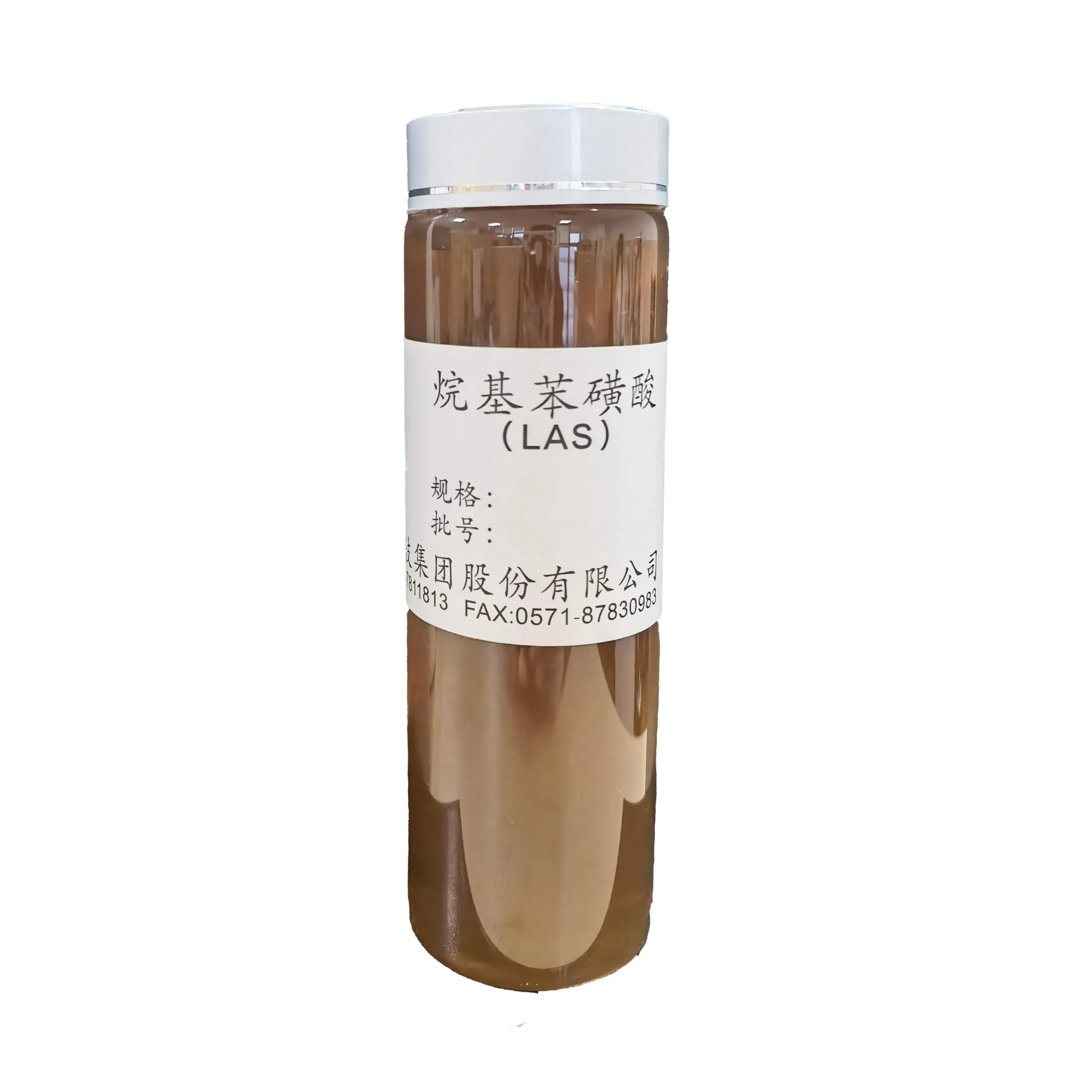
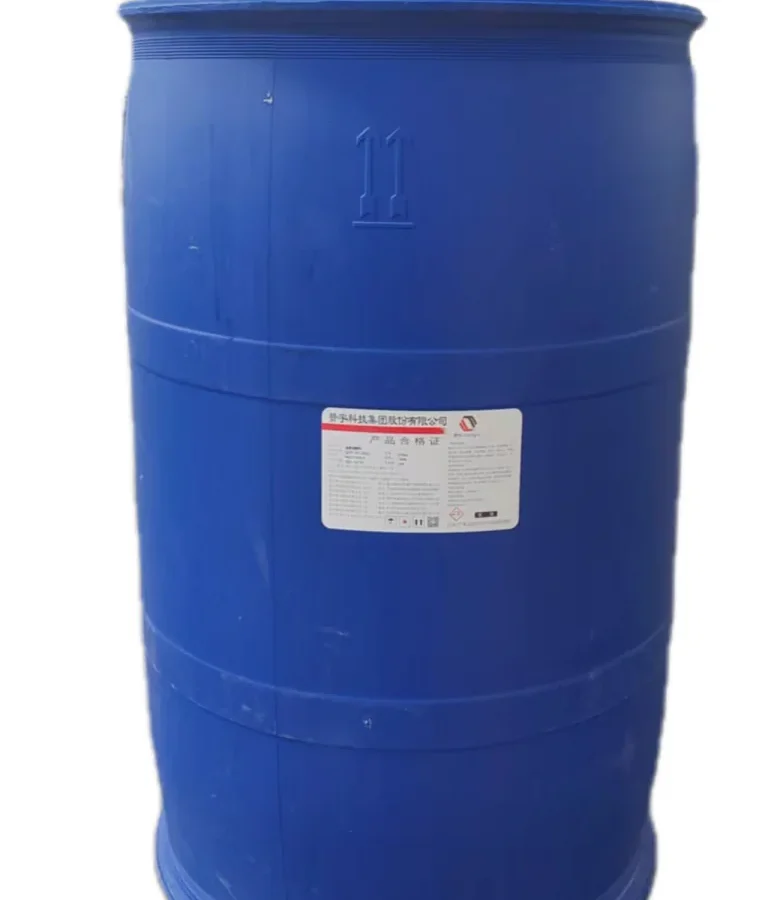
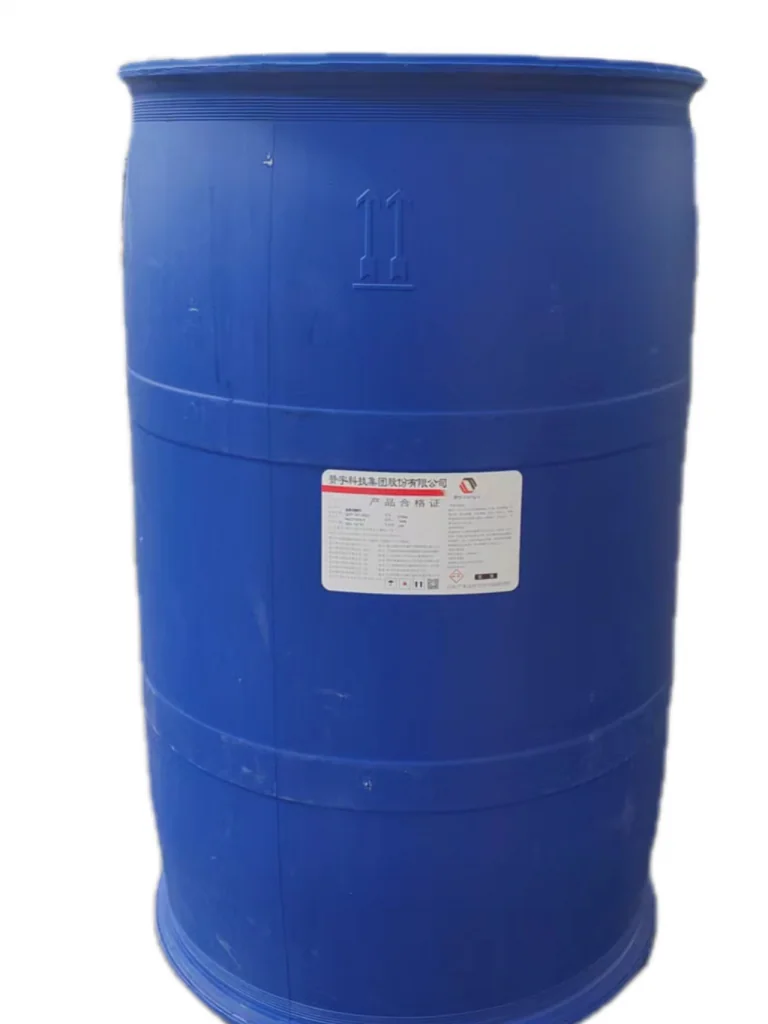
LAS stands for Linear Alkylbenzene Sulfonate, the most common Anionic Surfactant in the world. Commercially, it usually exists as a viscous liquid, ranging from yellow-brown to dark brown in color (often referred to as LABSA – Linear Alkylbenzene Sulfonic Acid).
To be used in production, LAS needs to be neutralized (typically using Caustic Soda – NaOH or Soda Ash) to convert it into a Sulfonate salt. Only then does it activate its full cleaning and foaming properties.
2. Why is LAS the #1 Choice for Detergents?
It is no coincidence that 90% of cleaning products on the market contain LAS. Here are its superior advantages:
Powerful Cleaning Capability
LAS excels at reducing surface tension, allowing it to easily lift and break down stubborn grease, oil, and dirt particles from fabrics and dishware.
Excellent and Stable Foaming
While it may not create the “creamy” micro-foam of AOS, LAS produces a high volume of fluffy, stable foam. This is a crucial psychological factor that helps consumers feel the product is cleaning effectively.
Cost-Effective Optimization
Compared to other surfactants like SLES or AOS, LAS has a much more affordable price point. This is a key economic solution that helps manufacturers lower production costs while maintaining quality.
Environmental Friendliness
Modern LAS lines possess high biodegradability, minimizing negative impacts on water sources compared to older generations of chemicals (such as branched alkylbenzene sulfonates).
3. Practical Applications of LAS
Thanks to its versatility, LAS is present in almost all cleaning sectors:
-
Laundry Detergents & Powders: The primary active ingredient for stain removal.
-
Dishwashing Liquids: Often combined with SLES to increase viscosity (thickness) and grease-cutting power.
-
Industrial Cleaners: Used in floor cleaners, toilet bowl cleaners, and hard surface cleaners.
-
Textile Industry: Used as a wetting agent and fabric scouring agent.
4. Important Notes When Using LAS in Production
Since commercial LAS (LABSA) is acidic in nature, it can be corrosive. When formulating, keep the following in mind:
-
Safety Gear: Always wear gloves and protective eyewear when handling direct contact.
-
Neutralization Process: When mixing, LAS must be neutralized with an alkali (NaOH/Soda) to reach the desired pH. This reaction is exothermic (generates heat), so thorough stirring and cooling may be required.
-
Synergy: LAS performs best when combined with SLES (for foam), CAPB (for softness), and Salt (for thickening).
5. Where to Buy Reputable LAS at Good Prices?
The market offers many sources of LAS from Vietnam, Thailand, Korea, etc. However, to ensure stable product quality (avoiding cloudiness or separation), choosing the right raw material source is critical.
Ecotec Chemicals is proud to be a trusted LAS supplier for hundreds of manufacturing workshops:
-
✅ Standard Quality: Guaranteed high active content, low impurities.
-
✅ Ex-Warehouse Price: Highly competitive pricing.
-
✅ Technical Support: We provide free formulation advice and guidance on how to neutralize LAS effectively for beginners.
Be the first to review “LAS (Linear Alkylbenzene Sulfonate)”
Related products
Cosmetic ingredients
Cosmetic ingredients
Cosmetic ingredients
Cosmetic ingredients
Cosmetic ingredients
Cosmetic ingredients

Cosmetic ingredients
Cosmetic ingredients


Reviews
There are no reviews yet.